Introduction to Web3
What Does Web3 Mean?
Web3 (or Web 3.0) is the next evolution of the internet, focused on decentralization, user ownership, and trust through blockchain technology. Unlike the current Web2, where big tech companies control your data and platforms, Web3 empowers users to own their data, digital identities, and assets directly via cryptocurrencies, NFTs, tokens, and decentralized applications (dApps).
Core ideas include:
- Blockchain as a secure, transparent ledger without central control
- Smart contracts for automatic, trustless agreements
- User-owned digital assets (e.g., NFTs for art, tokens for governance)
- Decentralized finance (DeFi), identity, social media, and more
- Interoperability across chains for seamless experiences
In 2026, Web3 integrates AI, real-world assets (RWAs), and institutional finance for real utility.

Web3 timeline: From read-only (Web1) to read-write (Web2) to read-write-own (Web3).
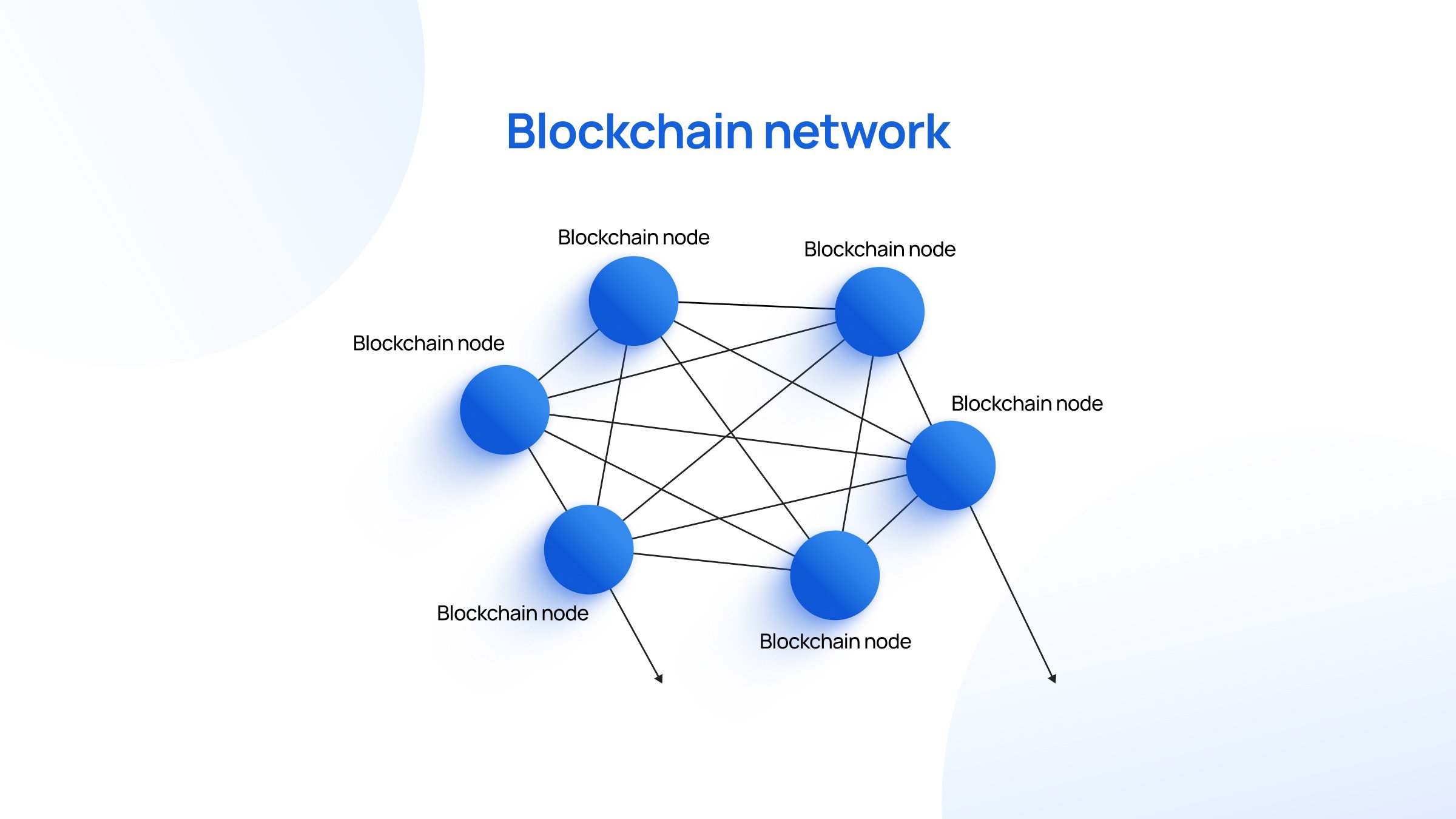
A decentralized blockchain network with peer-to-peer nodes – no single point of control.
The Evolution: Web1 vs Web2 vs Web3
The internet has transformed over decades. Web1 was static pages, Web2 added interactivity and social features but centralized power, and Web3 shifts to ownership and decentralization.
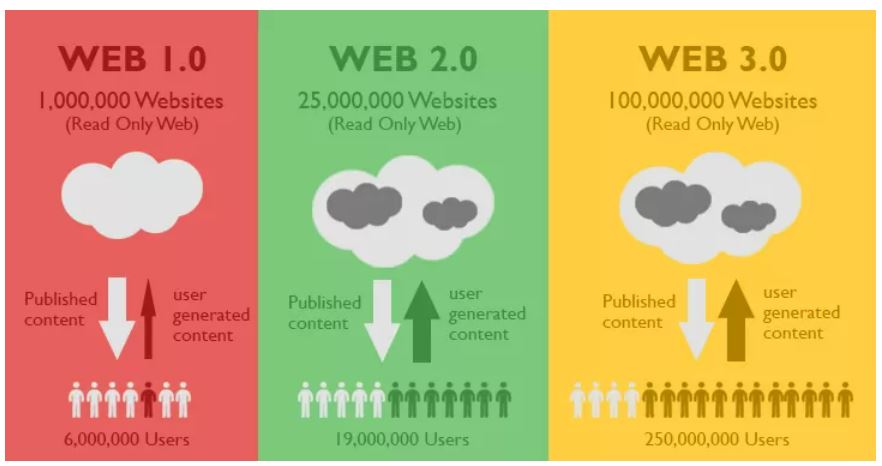
Visual comparison: Growth in users, content, and shift to user-generated ownership.
Evolution of the Web
Web1 (1990s–early 2000s)
Nickname: The Read-Only Web
Key Focus: Static information sharing and online brochures.
User Role: Passive consumer of content.
Control & Data: Held centrally by website owners.
Core Technologies: Basic HTML and static servers.
Examples: Static HTML sites, early directories like Yahoo!.
Web2 (2000s–present)
Nickname: The Read-Write Web
Key Focus: Social interaction, user-generated content, and centralized platforms.
User Role: Active creator and participant.
Control & Data: Concentrated with big tech corporations (e.g., Google, Meta).
Core Technologies: JavaScript, APIs, and cloud computing.
Examples: Facebook, YouTube, X (Twitter), TikTok.
Web3 (2010s–future)
Nickname: The Read-Write-Own Web
Key Focus: Decentralization, digital ownership, and AI integration.
User Role: Owner, governor, and stakeholder in networks.
Control & Data: Distributed among users via blockchains and protocols.
Core Technologies: Blockchain, smart contracts, Layer 2 scaling, and AI agents.
Examples: Ethereum dApps, DeFi (Uniswap), NFTs, and DAOs.
Deep History of Web3
The web started with Tim Berners-Lee's invention in 1989–1991 (Web1). Web2 emerged around 2004 with social platforms. The term "Web3" was coined in 2014 by Gavin Wood (Ethereum co-founder) to describe a decentralized internet using blockchain.
Key milestones: Bitcoin (2009), Ethereum (2015) enabling smart contracts, NFT boom (2021), DeFi growth, and by 2026, institutional adoption, RWA tokenization, and regulatory clarity drive mainstream integration.

Centralized (Web2) vs Decentralized (Web3) transactions – trust shifts from intermediaries to code.
Key Trends in Web3 (February 2026)
In early 2026, Web3 moves beyond hype to utility:
- Institutional DeFi Integration: Banks and firms adopt DeFi for supply chain, payments.
- Real-World Asset (RWA) Tokenization: Assets like real estate, bonds tokenized for liquidity and fractional ownership.
- AI + Web3: Decentralized AI networks, AI-enhanced smart contracts, autonomous DAOs.
- TradFi-DeFi Convergence: Institutions embed blockchain; examples include JPMorgan's tokenized deposits.
- Self-Sovereign Identity & Privacy: Users control data; growing adoption in finance/healthcare.
- Metaverse & Gaming: Utility NFTs, virtual economies, standards emerging.
- Scaling & Sustainability: Layer 2s, PoS, quantum-resistant protocols.

RWA tokenization: Bridging traditional and digital finance for a $16T opportunity.

AI transforming Web3: Decentralized intelligence and smarter automation.
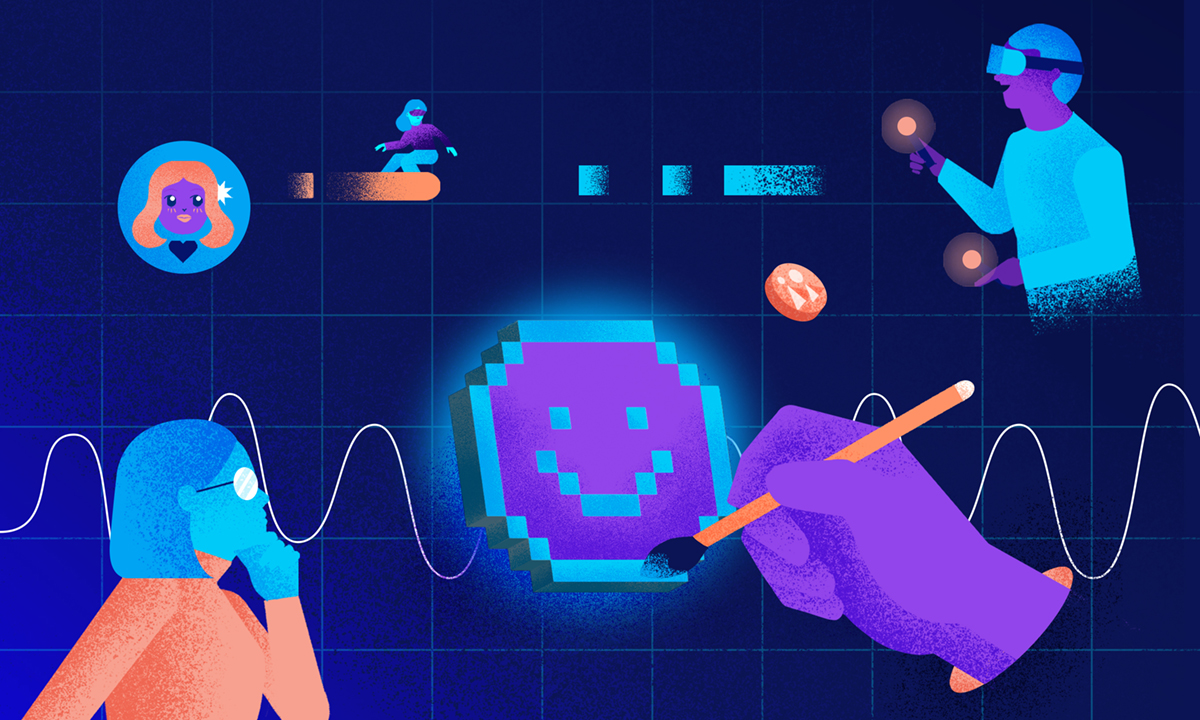
Web3 metaverse: User-owned virtual worlds and economies.
Why Web3 Matters Today (February 2026)
Web3 is maturing rapidly. The blockchain market exceeds $32 billion, projected to $162 billion by 2027. Web3 market in the US grows from $1.31 billion (2025) toward $32 billion by 2033. Institutional adoption accelerates, with TradFi converging with DeFi.
Key reasons it matters:
- User Ownership & Privacy: Control your data via decentralized identity.
- Financial Inclusion & Efficiency: DeFi offers global access; stablecoins process trillions.
- RWA Tokenization: Unlocks liquidity for real assets; projected $16T market.
- Institutional & Regulatory Progress: Clarity (e.g., US Clarity Act) boosts confidence.
- AI & Innovation: Decentralized AI democratizes tools.
- Censorship Resistance & New Economies: DAOs, creator tools, gaming ownership.
Challenges persist: scalability (improving), energy (PoS helps), regulation, user experience. But 2026 marks a pivotal shift to practical, inclusive global finance.
Complete this lesson
Mark as complete to track your progress