NFTs & Digital Ownership
Key Points on NFTs & Digital Ownership
- NFTs (Non-Fungible Tokens) are unique digital tokens on a blockchain that prove ownership and authenticity of a specific item, such as art, music, or collectibles. Unlike fungible cryptocurrencies, each NFT is one-of-a-kind.
- Digital Ownership via NFTs means holding a verifiable record on the blockchain that links you to the asset. You own the token (and often associated rights), but the underlying file (e.g., image) can be copied—scarcity and authenticity come from the blockchain record.
- Use Cases in 2026 focus on utility: gaming assets, music royalties, ticketing, real-world asset tokenization (RWAs), fashion, and more. The market has matured beyond 2021 hype, with emphasis on practical applications despite some platform closures.
- Current Status: NFT trading volumes have stabilized or declined from peaks, with major platforms like Nifty Gateway shutting down in February 2026 amid a market downturn. However, utility-driven NFTs in gaming, RWAs, and identity continue to grow.
What Are NFTs?
NFTs are unique cryptographic tokens stored on a blockchain that represent ownership of digital or physical items. They certify authenticity and provenance, making them ideal for collectibles, art, and more. Popular standards include ERC-721 and ERC-1155 on Ethereum.
How Digital Ownership Works with NFTs
When you buy an NFT, you receive a token in your wallet that points to the asset (often via metadata). The blockchain records this ownership immutably, verifiable by anyone. Ownership of the token grants rights like resale, royalties, or access, but not always copyright—copies of the asset may exist publicly.
Common NFT Use Cases
In 2026, NFTs enable:
- Digital art and collectibles
- Gaming (in-game items, play-to-earn)
- Music royalties and fan engagement
- Ticketing and event access
- Real estate tokenization and luxury goods
- Identity verification and RWAs

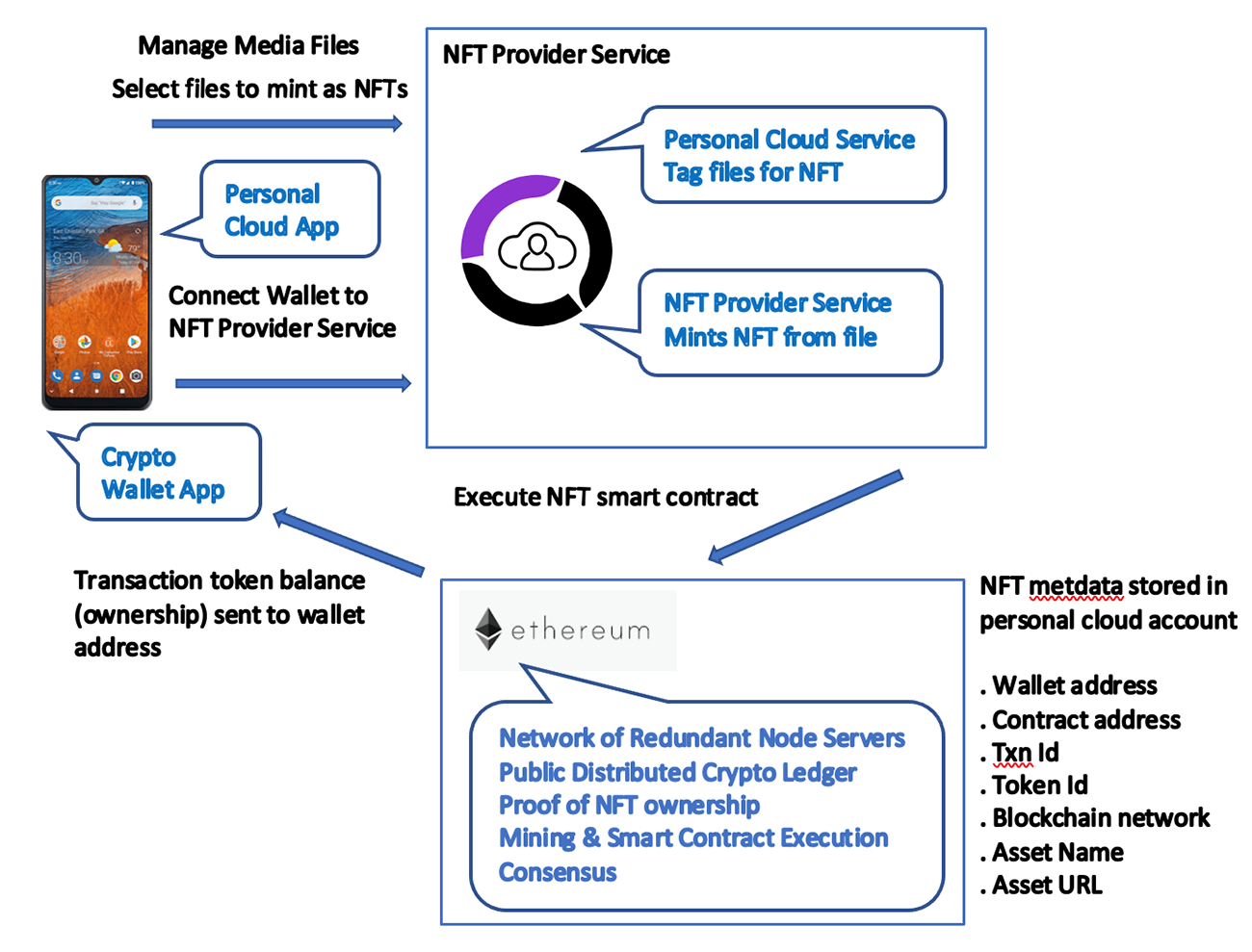
How NFTs establish digital ownership through blockchain.
In-Depth Overview of NFTs & Digital Ownership
Non-Fungible Tokens (NFTs) emerged as a breakthrough in blockchain technology, allowing unique digital items to be owned, traded, and verified in a decentralized manner. The concept gained traction in 2017 with CryptoKitties on Ethereum, exploded in 2021 with high-profile sales (e.g., Beeple's $69M artwork), and has since matured into more utility-focused applications by February 2026.
NFTs are distinct from fungible tokens like Bitcoin or ETH because each is irreplaceable and unique, often following standards like ERC-721 (for single items) or ERC-1155 (for multiples). They consist of metadata linking to the asset (image, video, etc., usually stored off-chain on IPFS or centralized servers) and are minted via smart contracts. Ownership is transferred by sending the token to a new wallet address.
Digital ownership through NFTs works by leveraging blockchain's immutable ledger. When you purchase an NFT, the transaction records your wallet as the owner. This creates a public, verifiable certificate of authenticity and provenance—no central authority can alter it. However, nuances exist: owning an NFT typically grants ownership of the token itself, not necessarily the underlying intellectual property rights (e.g., copyright remains with the creator unless specified). The asset file can be copied freely, but only the token holder possesses the "official" version. This scarcity and provenance drive value, similar to owning an original artwork versus a print.
Fractional NFTs (via platforms like Fractional.art) allow shared ownership by splitting tokens, democratizing access to high-value items. Royalties (built into many contracts) automatically pay creators a percentage on secondary sales. In 2026, advanced features include dynamic NFTs (metadata updates based on events) and soulbound tokens (non-transferable for identity/achievements).
The NFT market has faced challenges: post-2021 hype led to a downturn, with trading volumes dropping significantly and platforms like Nifty Gateway shutting down in February 2026 amid ongoing slump. Despite this, utility-driven NFTs persist and grow in sectors emphasizing real-world benefits over speculation.
Common use cases in 2026 include:
- Digital Art & Collectibles: Artists mint works on platforms like OpenSea or Foundation; collectors gain provenance and resale rights.
- Gaming & Metaverse: In-game items, avatars, and land (e.g., Axie Infinity, Decentraland) as true player-owned assets.
- Music & Entertainment: Artists sell tracks, albums, or exclusive access with royalties (e.g., Audius, Royal.io).
- Ticketing & Events: Anti-scalping, verifiable tickets with perks (e.g., NFT tickets for concerts granting VIP access).
- Fashion & Luxury Goods: Virtual clothing, authenticated physical items linked to NFTs (e.g., Nike's .Swoosh, Gucci experiments).
- Real Estate & RWAs: Tokenizing property deeds or fractions for liquidity and fractional ownership.
- Identity & Credentials: Soulbound NFTs for verifiable achievements, diplomas, or profiles.
- Sports & Fan Engagement: Collectible moments, merchandise, or fan voting rights.
Benefits include creator empowerment (automatic royalties), provenance tracking, and new monetization models. Challenges remain: environmental concerns (mitigated by proof-of-stake), market volatility, scams, and legal questions around rights. Despite setbacks, NFTs continue evolving toward practical utility in a blockchain-integrated economy.
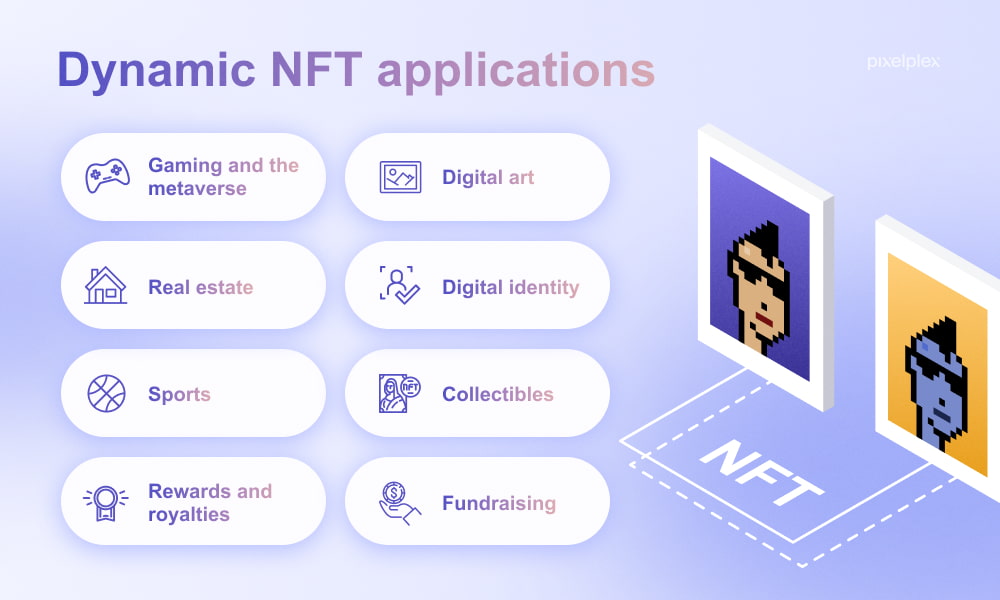
Infographic of prominent NFT applications in 2026.
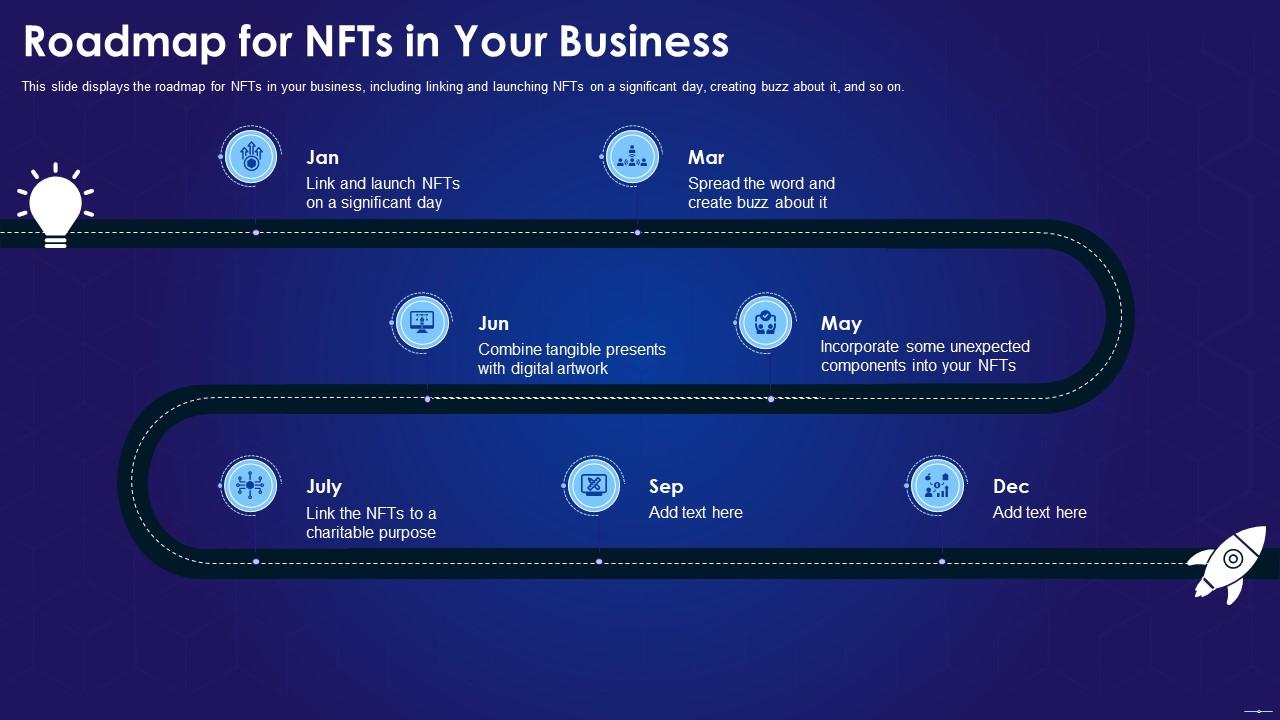
Roadmap highlighting business use cases for NFTs.
Complete this lesson
Mark as complete to track your progress